
Boudha Neighbourhood Guide — Stupa, Cafés, Monasteries & Evening Walks
April 15, 2026 · Kata Jaam? Team
Boudha is where Kathmandu slows down. The UNESCO-listed Boudhanath Stupa is the neighbourhood's centre of gravity, and around it you'll find a dense ring of monasteries, artisan shops, Tibetan cafés, and rooftops designed specifically for watching the kora below. Here's how to do it well — whether you have an hour or a full day.
Start with the kora
The kora — the clockwise circumambulation of the stupa — is what the neighbourhood runs on. Walk it at least once. Two ideal times:
- Dawn (5:30–7 AM) — monks finishing morning prayers, locals doing their daily rounds, prayer flags catching the first light. Quieter; the photography is unbeatable.
- Dusk (5:30–6:30 PM) — butter lamps come on around the base of the stupa, the chant from the Tibetan loudspeakers gets louder, and the rooftops fill with people watching it all. Most atmospheric hour.
The full kora takes 10–15 minutes at a gentle pace. Spin the prayer wheels along the south side. Don't sit on the stupa platform with your feet pointed at it — lock your feet under you or sit cross-legged.
Rooftop cafés with stupa views
Most of the three- and four-storey buildings ringing the stupa have rooftop cafés. The good ones, ranked roughly from most-classic to best-for-a-long-stay:
- Stupa View Restaurant — the most famous rooftop view of the stupa in the city. International menu, vegetarian, no alcohol. Reserve a window seat for dusk.
- Boudha Stupa Restaurant & Café — large rooftop, busy in peak season but the layout means you can usually find a quiet corner. Good Newari thali.
- Café du Stupa — reliable rooftop option, less touristy than the others above.
- Ananda Treehouse Café — bookshelves, lounge chairs, slow Wi-Fi but excellent for a long-stay café. Best if you're working remotely.
- Garden Kitchen at Hotel Tibet — slightly removed from the kora ring, but the rooftop view stretches across the rooftops of Boudha.
See more in our best cafés to work from in Kathmandu guide.
Ground-floor cafés worth your time
Not everything has to be a rooftop. The street-level options are often quieter:
- Malaya Café — plant-filled outdoor oasis, feels removed from the main kora traffic. Excellent breakfast.
- Ramsterdam Café — coffee, beer, food, hookah, occasional live music. Backpacker-friendly. Open late.
- Utpala Café — monastery-owned, vegetarian, no alcohol. Deeply peaceful. The lentil soup is famous.
- Karma Coffee — Austrian-Nepali, excellent espresso, reliable Wi-Fi, and a tiny sun-trap of a balcony.
- Double Dorjee — newer, good cakes, popular with Boudha's expat community.
Monasteries to visit
There are 50+ gompas (monasteries) clustered around the stupa, mostly built since the 1960s by Tibetan refugees. A few to look out for:
- Shechen Monastery — one of the largest. Vast main hall with intricate murals; you can attend morning prayers (5:30–7 AM) as a respectful guest.
- Ka-Nying Shedrub Ling — home to Utpala Café; the monastery itself is a calm, welcoming space and the chanting in the main hall is one of the most beautiful sounds in the city.
- Thrangu Tashi Yangtse Monastery — beautiful murals; smaller and more intimate than Shechen.
- Tergar Monastery — newer, with tasteful modern Tibetan-Bhutanese architecture.
Most welcome respectful visitors. Dress modestly (cover shoulders and knees) and remove shoes inside halls. Avoid photographing monks during ceremonies. A small donation in the offering box is appreciated, never required.
Food beyond momos
Boudha is Kathmandu's best neighbourhood for Tibetan food. Look for:
- Thukpa — hand-pulled noodle soup with vegetables or yak meat; the warm-up dish.
- Laping — cold mung-bean noodles in chili-soy sauce; spicy, refreshing.
- Shabhaley — Tibetan meat-and-cabbage pastries.
- Tingmo — steamed buns to mop up curry.
- Thulo Momo — the famous "big momo" stand opposite the stupa serves momos the size of your fist.
For momos specifically, see our best momo places in Kathmandu guide.
An evening in Boudha — the perfect 3-hour itinerary
5:00 PM — arrive at the stupa, walk the kora once.
5:30 PM — settle into a rooftop café for tea or a beer (where allowed) as the butter lamps are lit below.
6:30 PM — second slow kora; the chanting from speakers gets louder around now.
7:00 PM — dinner at Stupa View, Roadhouse, or Utpala Café (vegetarian).
8:30 PM — one more circumambulation, this time meditatively, before heading home.
Cultural events in Boudha
Beyond the daily life of the stupa, Boudha hosts plenty of programmed events:
- Classical sarangi and tabla showcases at Taragaon Museum
- Rangjung Yeshe Institute lectures and short courses on Buddhist philosophy
- Annual Losar (Tibetan New Year) celebrations — the most spectacular night of the year here
- Buddha Jayanti pre-dawn ceremonies in May
Browse cultural events in Kathmandu on Kata Jaam? to catch performances in Boudha and the surrounding area, or filter by tonight's events for something tonight.
Getting there
- From Thamel: Pathao or InDrive NPR 250–350, ~25 minutes (longer in traffic).
- From Patan: NPR 400–500, ~40 minutes.
- By bus: Frequent local buses from Ratna Park to Boudha; NPR 30, ~45 minutes; uncomfortable in monsoon.
- Stupa entry fee: NPR 400 for non-Nepali tourists. Nepalis enter free.
- Best photo hours: Sunrise, or late afternoon (the west side of the stupa glows around 5–6 PM).
When to visit
- Best months: October–December (clear skies after monsoon, comfortable temperatures), February–April (warming up, Losar season).
- Avoid: June–August unless you don't mind monsoon rain. The kora becomes a puddle and the rooftops shut.
- Festival days: Buddha Jayanti (May) and Losar (Feb) are spectacular but very crowded — go early.
Where to stay nearby
Boudha has good budget-to-mid-range options if you want to stay overnight in the neighbourhood:
- Hotel Tibet International — long-running, reliable, close to the stupa.
- Hyatt Regency Kathmandu — the splurge; in Battisputali, ten minutes from Boudha.
- Shechen Guesthouse — affiliated with the monastery; quiet and contemplative.
FAQ
Is it safe to walk around Boudha at night? Yes — the stupa area stays busy until 9–10 PM, and the kora is well lit. Outside the immediate stupa ring, choose your route after dark.
Can non-Buddhists do the kora? Yes — the kora is open to anyone who walks clockwise respectfully. Don't smoke on the stupa platform, don't point feet at it, don't take photos during private rituals.
How much time do you need for Boudha? Two to three hours is enough for the stupa + a café + a meal. A full day if you want to visit several monasteries and explore back-streets.
Can I visit monasteries without a guide? Yes — the main halls of most monasteries are open to respectful visitors during the day. Dress modestly, take off shoes inside, and don't enter during private ceremonies.
Browse [cultural events in Kathmandu](/events/category/cultural) for ceremonies and performances happening in Boudha, or check [tonight's events](/events/tonight) for what's on right now.
Upcoming Festivals & Culture events
See all →
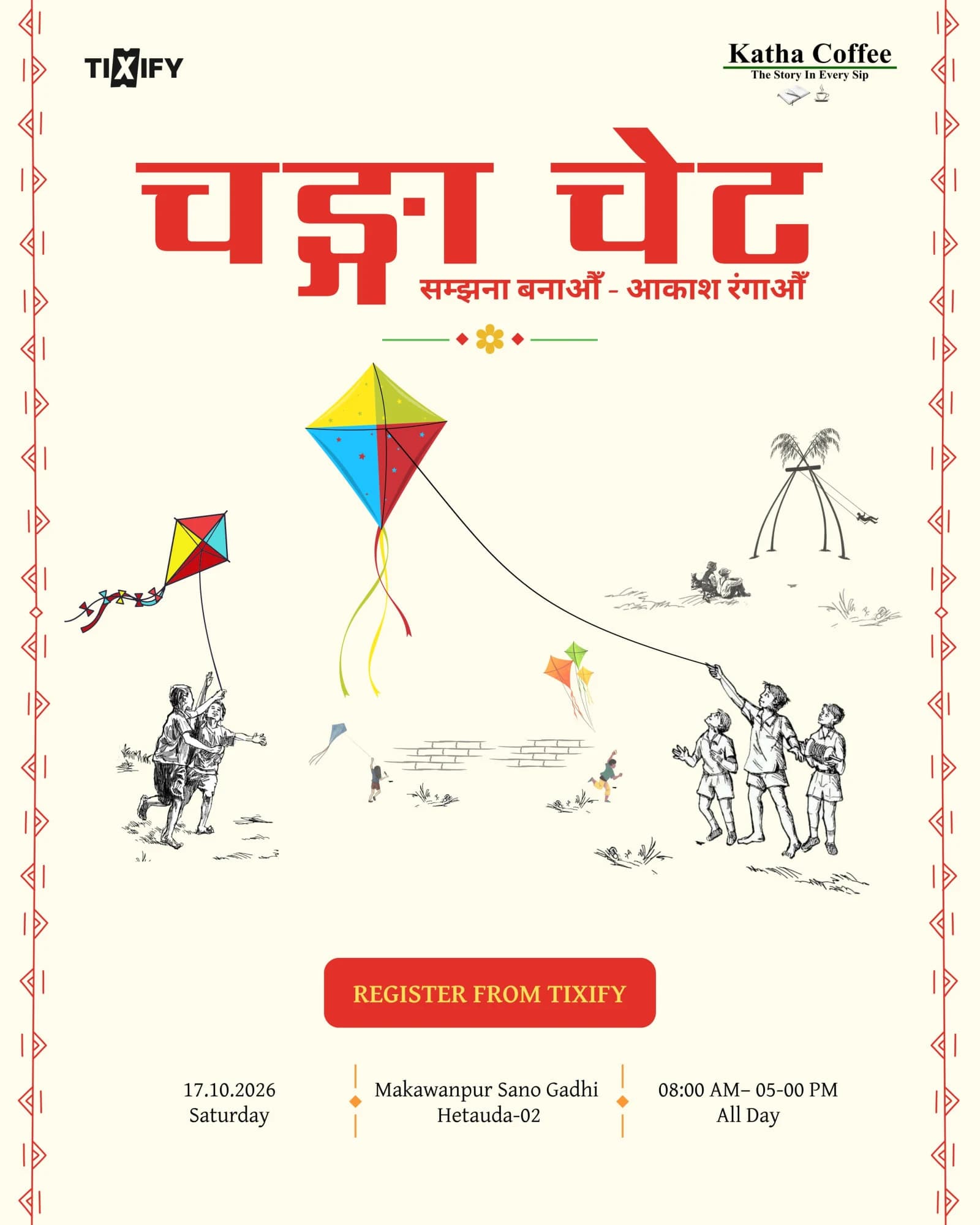
Today
Changa Chet: Dashain Kite Day by Katha Coffee × Tixify — Hetauda


Today
Kite Festival 2083 (Season 13) — Rotaract Club of Banepa


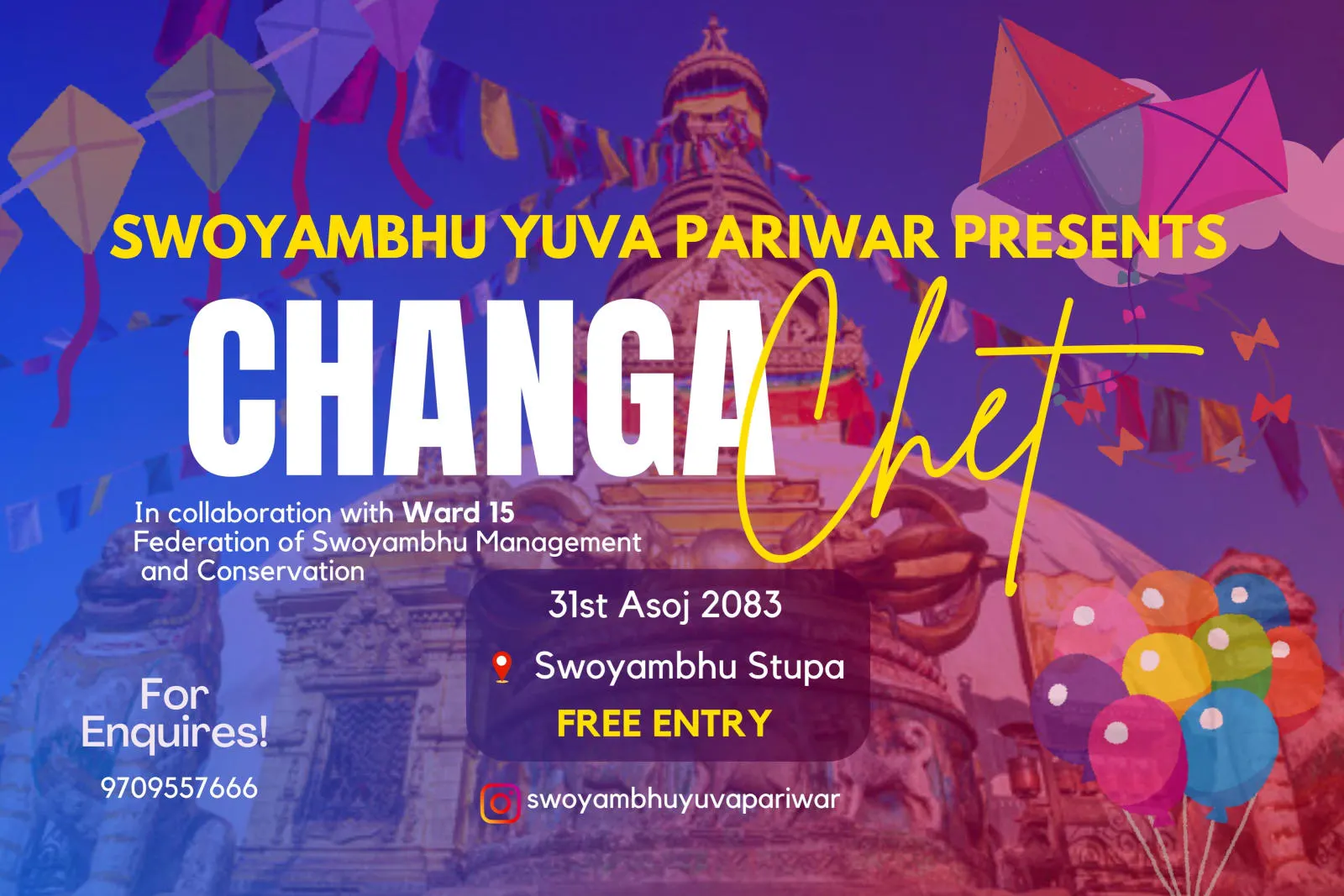
Today
Changa Chet 3: Kite Flying Competition at Swoyambhu

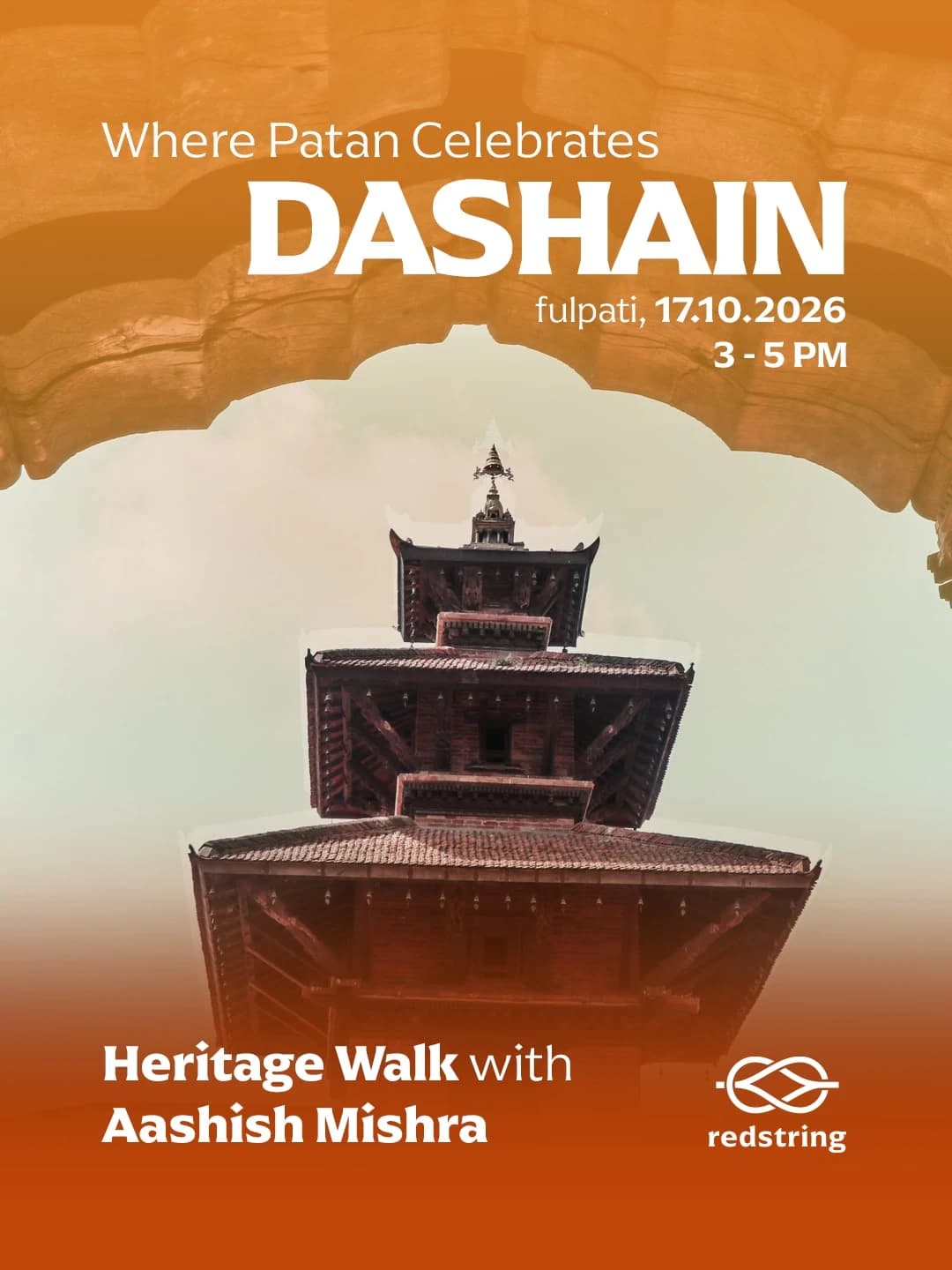
Today
Where Patan Celebrates Dashain | Heritage Walk at Patan
Turn this guide into action
Get the Kata Jaam? app to RSVP, save events, and get notifications for new events matching this guide.
Related guides
Bhaktapur Events Guide — Kathmandu Valley's Medieval City
Bhaktapur is the best-preserved medieval city in South Asia. Bisket Jatra, Gai Jatra, pottery, woodcarving — the full events and culture guide.
Patan Events Guide — Culture, Food & Things to Do in Lalitpur
Patan (Lalitpur) is Kathmandu's cultural heart. Festivals, Durbar Square performances, food events, and craft workshops in Lalitpur — the local guide.
Kathmandu Festival Calendar 2026 — Month by Month
A local's month-by-month guide to every major festival in Kathmandu Valley in 2026 — Holi, Indra Jatra, Dashain, Tihar, Bisket Jatra & more.
Run events in Kathmandu?
Get discovered by readers like the ones finding this article. List your event free.
Free to list. No credit card required. How listing works